
Understanding and managing transfer taxes is crucial for first-time homebuyers. These non-negotiable charges, varying by location, can amount to 1-7% of a property's value. Research local regulations, seek expert advice, and plan accordingly to avoid financial surprises during the closing process.
For first-time homebuyers, navigating the complexities of the real estate process can be daunting, with transfer taxes often shrouded in mystery. These taxes, levied upon the transfer of property ownership, represent a significant financial consideration that can significantly impact the overall cost of purchasing a home. While their importance is undeniable, understanding them can be challenging for those new to the market. This article aims to demystify transfer taxes, providing a professional explanation tailored to first-time buyers. We’ll break down these taxes’ mechanics, implications, and strategies to mitigate their financial burden, empowering readers with valuable insights crucial for informed decision-making.
Understanding Transfer Taxes: A Beginner's Guide

Transfer taxes are a crucial aspect of the home buying process, often overlooked but significantly impacting first-time buyers. These taxes, levied when property ownership is transferred, vary by jurisdiction and can include various charges such as stamp duty, registration fees, and other levies. Understanding these transfer taxes is essential for borrowers as they directly affect the overall cost of purchasing a property. For instance, in many countries, stamp duty accounts for a substantial portion of the initial expenses, sometimes amounting to 5-7% of the property’s value.
When a buyer acquires a property, the transfer of ownership involves several bureaucratic processes, each accompanied by specific tax obligations. Borrowers should be aware that these taxes are not just one-time fees but may also apply at various stages of the transaction. For example, in addition to initial stamp duty, some regions impose ongoing charges like annual property taxes or transfer fees when a borrower refinances their mortgage. To illustrate, let’s consider a $300,000 property; a typical stamp duty rate of 5% would result in a tax liability of $15,000—a significant upfront cost for first-time buyers.
To navigate these transfer taxes effectively, borrowers should seek professional advice tailored to their location and specific circumstances. This includes understanding local regulations, exploring potential exemptions or discounts, and planning accordingly. For instance, some jurisdictions offer reduced rates for first-time homebuyers or certain types of properties, such as historic homes or those in designated affordable housing areas. By staying informed about borrower requirements related to transfer taxes, buyers can better budget and secure their dream homes without unexpected financial burdens.
Decoding Tax Components for First-Time Homebuyers

When first diving into the real estate market as a buyer, understanding transfer taxes is crucial. These taxes, while often complex, are a significant component of the homeownership journey. Transfer taxes refer to levies imposed on the transfer or conveyance of property from one party to another, and they play a vital role in financing public services and infrastructure. For first-time homebuyers, these taxes can vary widely based on location, property value, and buyer status.
In many jurisdictions, transfer taxes are calculated as a percentage of the property’s sale price. The rates typically range from 1% to 3%, with higher values applying in more expensive real estate markets. For instance, in Canada, the federal land transfer tax is generally 1.5% of the property’s value, while provincial or territorial governments may have additional levies ranging from 0.5% to 2%. In the United States, state and local taxes can add up to several percentage points, with some states having more straightforward structures while others are more intricate. A first-time buyer in California might face a transfer tax of around 1%, while their New York counterparts could encounter rates surpassing 2%.
While these taxes are often discussed together, it’s essential to differentiate between transfer taxes and other borrowing costs. Lenders typically factor in interest rates for mortgages or loans, which can significantly impact the overall cost of homeownership. In contrast, transfer taxes are specific fees associated with the legal transfer of property ownership. Borrowers should be aware that these taxes are usually non-negotiable and must be paid upon closing. To mitigate the financial burden, first-time buyers can explore incentives or grants offered by local governments or consider saving for a larger down payment to reduce the tax exposure relative to the overall purchase price.
Navigating Costs: Essential Knowledge for Property Acquisition
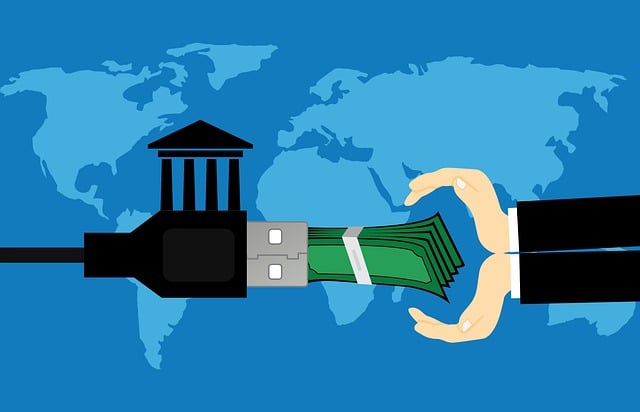
Navigating Costs: Essential Knowledge for Property Acquisition
Acquiring a property is an exciting yet complex process, especially for first-time buyers. Among numerous considerations, understanding transfer taxes is crucial. These taxes, levied when a property changes hands, are a significant part of the borrower’s financial obligations. Transfer taxes vary by jurisdiction, but they generally include property transfer tax, stamp duty, or land tax, often calculated as a percentage of the property’s sale price. For instance, in some regions, buyers may face a 1-2% property transfer tax, while others might charge higher rates.
Borrower requirements play a pivotal role here. First-time buyers should be aware that these taxes are non-negotiable and must be budgeted for alongside the down payment and closing costs. The good news is that many jurisdictions offer exemptions or reduced rates for first-time homebuyers as an incentive. For example, certain cities provide tax breaks or rebates to attract new residents and support their entry into the property market. However, these benefits vary widely, so prospective buyers should research local policies carefully.
Practical insights suggest that buyers should aim to secure a comprehensive understanding of transfer taxes early in the process. This knowledge allows for accurate budgeting and can prevent unexpected financial hurdles during closing. Experts recommend allocating 1-3% of the purchase price towards these taxes, depending on local regulations. Additionally, keeping records of relevant documents and receipts related to transfer tax payments is essential for future reference and potential tax deductions. By being proactive and informed, first-time buyers can successfully navigate this aspect of property acquisition.